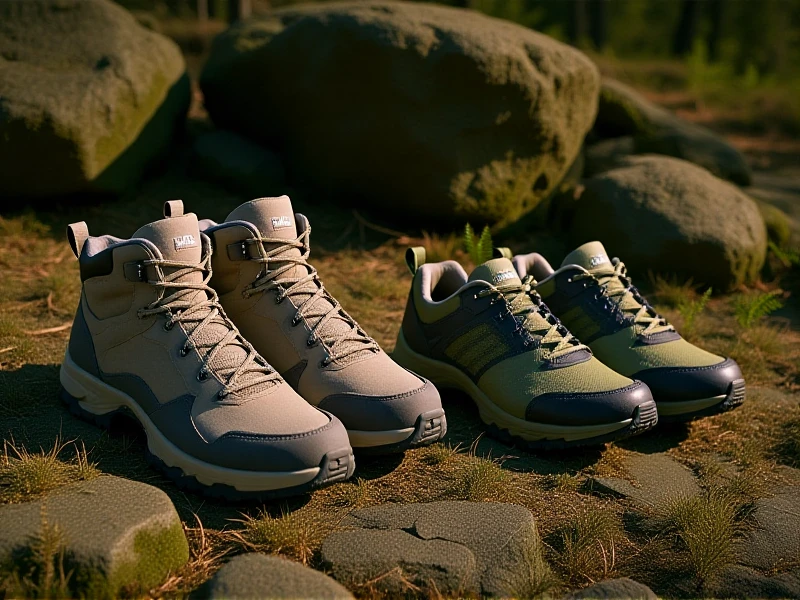
Finding Your Perfect Fit: The Ultimate Guide to Women's Hiking Shoes
Here is an SEO-optimized article focusing on the keyword "Women's Hiking Shoes":
Hitting the trail offers adventure, stunning views, and a powerful connection with nature. But a great experience hinges on having the right gear, starting with your foundation: women's hiking shoes. Choosing footwear designed specifically for your feet and planned activities isn't just about comfort—it's about safety, performance, and unlocking miles of enjoyment. Forget blisters and instability; let's explore what makes an excellent women's hiking shoe.
Why Dedicated Women's Hiking Shoes Matter Women's feet, ankles, and calves typically have distinct anatomical differences compared to men's. Quality women's hiking shoes address these nuances with a narrower heel cup, a roomier forefoot, adjusted arch support placement, and a lighter build overall. This precise fit translates directly to better stability, reduced fatigue, and superior comfort on varied terrain, preventing the common issues caused by unisex or poorly fitted boots.
Key Features For Trail Success When evaluating women's hiking shoes, prioritize these crucial elements:
- Traction: Robust, deep-lugged soles providing confident grip on loose dirt, rocky inclines, slick roots, and muddy patches. Vibram Megagrip or similar high-performance compounds offer exceptional slip resistance. Your shoes slipped during a creek crossing? That's usually inadequate outsole grip.
- Protection: A durable toe cap shields your feet from unexpected bumps on rocks or roots. Effective rock plates embedded in the midsole guard against rough, uneven ground underfoot, absorbing impacts. Waterproofness is crucial for wet climates or stream crossings (look for Gore-Tex membranes or similar tech), while water-wicking mesh breathes best in dry, hot conditions.
- Support & Comfort: Look for ample underfoot cushioning to absorb shock, especially crucial for longer hikes or descents. Midsole stability shanks, even in lighter trail shoes, help prevent wobbling on uneven ground. Responsive cushioning materials like EVA foam contribute to a more dynamic feel and reduced foot fatigue after miles on the trail.
Choosing The Right Style The most appropriate women's hiking shoes depend on your adventures:
- Low-Cut Hiking Shoes: Offer maximum ankle flexibility and lightness, ideal for well-maintained trails and day hikes. Perfect for those transitioning from sneakers.
- Mid-Cut Hiking Boots: Provide enhanced ankle support and protection from debris and abrasion, suitable for moderate to rough terrain, carrying lighter packs, and those needing extra stability.
- High-Cut Hiking Boots: Deliver maximum ankle support and protection for challenging terrain, backpacking with heavy loads, or those with weaker ankles.
Fit First! Your perfect women's hiking shoes should feel secure, comfortable, and natural right away, without painful "break-in" periods:
- Try Them On: Always try hiking shoes later in the day when feet are naturally slightly swollen. Wear the exact hiking socks you plan to use.
- Sizing: Expect potentially needing up half a size from your everyday shoe to allow for foot swelling during long hikes and proper sock thickness.
- Room To Toe: Ensure ample space (about a thumbnail's width) ahead of your longest toe to prevent downhill toenail bruising.
- Zero Movement: Heels shouldn't lift or slip; feet shouldn't slide forward. Lock heels firmly with the lacing system.
Investing in well-fitting, performance-driven women's hiking shoes transforms every walk into an enjoyable journey. Prioritize your safety and comfort – your feet (and your adventures) will thank you! Head to your local outfitter, armed with this knowledge, and step confidently onto the trail.